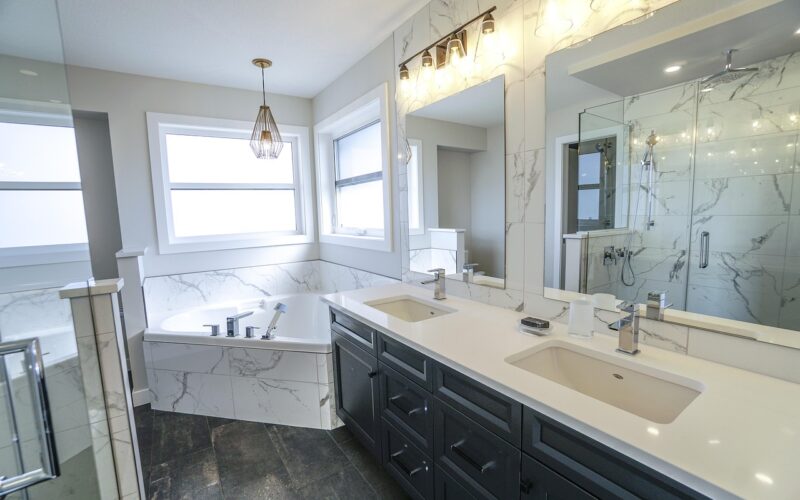
Waterproofing Your Bathroom
Waterproofing is one of the most critical stages of any bathroom renovation or new bathroom installation, yet it’s often misunderstood. A correctly waterproofed bathroom protects your home’s structure from moisture damage, preventing costly issues like mould growth, wood rot, and crumbling plasterboard. Water that escapes can travel surprisingly far, affecting adjacent rooms and even the floors below. Investing time and resources into proper waterproofing during your bathroom upgrade ensures the longevity of your new space and provides essential peace of mind, safeguarding your property’s value.
Planning and choosing your materials
Before you begin, it is vital to understand the local building codes and standards that govern bathroom waterproofing. These regulations specify the minimum requirements for protecting wet areas. Once you're familiar with the rules, you can choose the right materials. The primary barrier is the waterproof membrane, which comes in two main types: liquid and sheet. Liquid membranes are painted on and are excellent for complex shapes, while sheet membranes offer a consistent thickness but require careful sealing at the seams. You will also need waterproof backer board instead of standard plasterboard for tiled areas, along with specialised primers, polyurethane sealants for joints, and bond-breaking tape for corners.
Identifying the critical waterproofing sones
Not all areas of a bathroom require the same level of protection. The most critical sone is the shower enclosure, where the entire floor and walls up to at least 1.8 metres must be fully sealed. The entire bathroom floor is another crucial area that needs a full membrane, especially in a new bathroom build. You must also waterproof the walls around your bathtub to a height of at least 300mm above the tub edge. Other key spots include the wall junctions behind vanities and any penetrations where pipes or fittings pass through walls or floors, as these are common failure points. Even small wall niches for storing shampoo must be thoroughly sealed on all internal surfaces.
A step-by-step application overview
The waterproofing process is methodical and demands attention to detail. It begins with surface preparation; all surfaces must be clean, dry, and free of dust or debris. Next, a primer is applied to ensure the membrane adheres correctly. After priming, a bond-breaker tape or reinforcing mesh is installed in all corners and joints to accommodate slight building movements without tearing the membrane. Then, you apply the waterproof membrane itself, typically in at least two coats, ensuring each coat is applied in the opposite direction to the last for complete coverage. This stage is fundamental to a successful bathroom upgrade project.
Curing, testing, and common mistakes to avoid
After applying the final coat, the membrane must be left to cure completely. The curing time varies depending on the product and conditions, but it's often at least 24 to 48 hours. Once cured, a "flood test" is highly recommended. This involves plugging the drain and filling the shower base with water to check for any leaks before tiling begins. A common mistake is rushing this process or applying the membrane too thinly. Another frequent error is failing to properly seal around plumbing penetrations. Skipping the priming stage or applying the membrane over a dirty surface will also compromise the system’s integrity, undermining your entire bathroom renovation.
Maintaining your waterproof barrier
Proper installation is just the beginning; long-term performance relies on simple maintenance. Regularly inspect the silicone seals around your shower screen, bath, and vanity, as these are your first line of defence. Check tile grout for any cracks or gaps that could allow water to seep through to the membrane below. If you notice any deterioration, it's important to repair it promptly to prevent moisture from getting trapped. Keeping an eye on these details ensures the hidden waterproofing system continues to protect your home effectively for years to come.
A properly executed waterproofing system is the unsung hero of a durable and healthy bathroom. By focusing on correct planning, material selection, and meticulous application, you create an invisible shield that protects your home from the constant presence of water and steam. This crucial step not only prevents structural damage and mould but also secures the investment you've made in your beautiful new bathroom space.


